Introduction
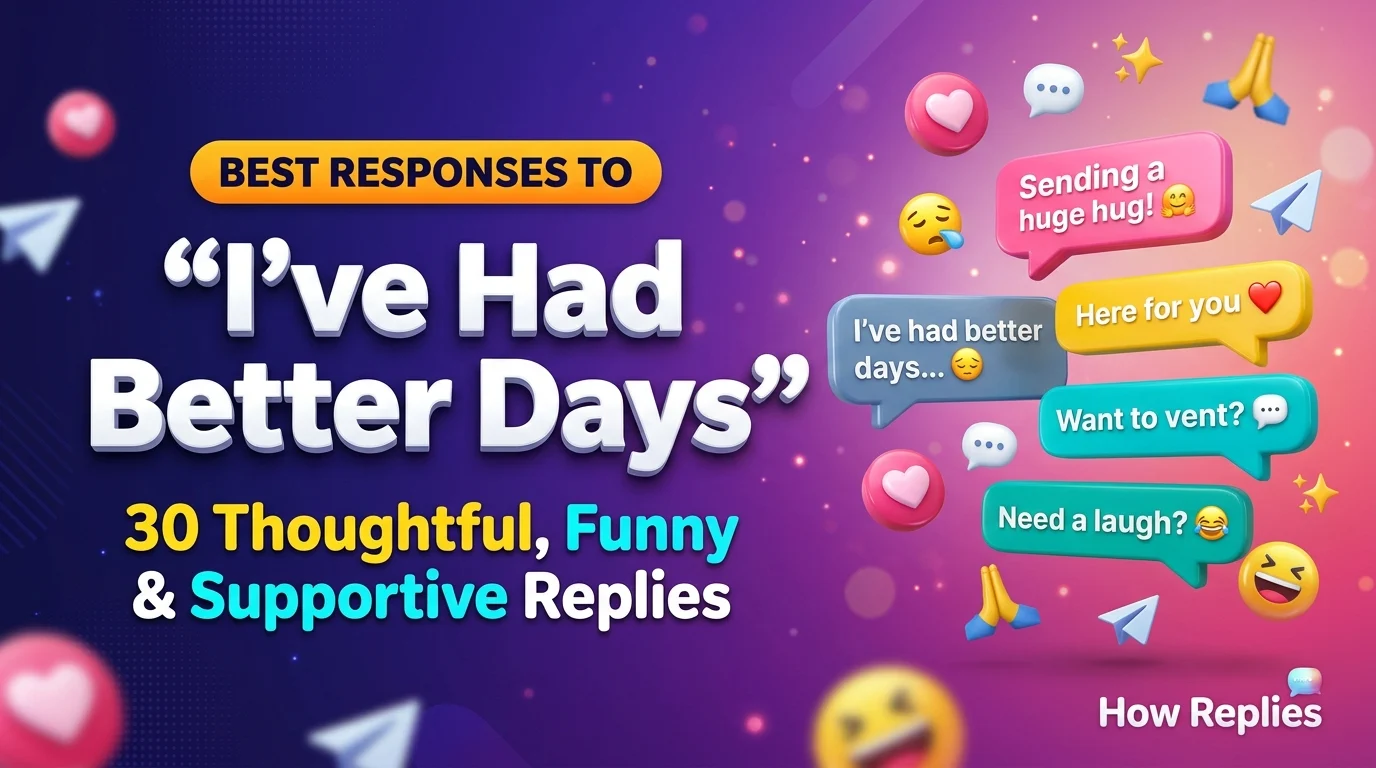
Looking for the best responses to I’ve Had Better Days? When someone says, “I’ve had better days,” they’re usually expressing that they’re going through a difficult time. It could be stress, disappointment, exhaustion, personal problems, or simply a bad day. Knowing what to say when someone isn’t feeling their best can help you show empathy, offer encouragement, and make the conversation more meaningful.
Whether you’re texting a friend, talking to a coworker, or comforting someone you love, the right response can make a real difference. Some situations call for caring and supportive replies, while others are better suited to funny comebacks, positive messages, or gentle encouragement. Below are 30 thoughtful responses to help you handle different situations naturally and confidently.
Quick Answer for the Audience
Some of the best responses to “I’ve had better days” include:
- “I’m sorry to hear that. Want to talk about it?”
- “I hope tomorrow treats you better.”
- “That sounds really tough.”
- “Sending you a big virtual hug.”
- “You don’t have to face this alone.”
- “Same here! Should we start a support group?”
- “Let’s grab coffee and forget about today for a while.”
30 Best Responses to I’ve Had Better Days
1. I’m Sorry to Hear That. Want to Talk About It?
This is one of the most caring responses when someone admits they’re having a difficult day. It shows that you’re willing to listen without pressuring them to share more than they’re comfortable with.
Best for: Close friends, family members, and romantic partners.
Alternative: “I’m here if you need someone to talk to.”
Examples:
“I’m sorry to hear that. Want to tell me what happened?”
“I’m here whenever you’re ready to talk.”
2. I Hope Tomorrow Treats You Better
Sometimes a little optimism is all someone needs. This response acknowledges their difficult day while reminding them that tomorrow brings another opportunity for better experiences.
Best for: Encouraging someone and casual conversations.
Alternative: “Better days are ahead.”
Examples:
“I hope tomorrow brings better news and happier moments.”
“Here’s hoping things start improving for you soon.”
3. That Sounds Really Tough
When someone is struggling, acknowledging their feelings can be more helpful than immediately offering advice. This simple response communicates empathy and lets them know you understand that things aren’t easy.
Best for: Showing empathy to friends, family, and coworkers.
Alternative: “I’m sorry you’re dealing with that.”
Examples:
“That sounds exhausting. I hope things get easier.”
“I’m sorry today has been so difficult for you.”
4. Is There Anything I Can Do to Help?
Offering practical support shows that your concern is genuine. Instead of simply saying you feel sorry for someone, you’re giving them an opportunity to tell you what they need.
Best for: Friends, family members, partners, and coworkers.
Alternative: “How can I make things a little easier for you?”
Examples:
“Can I take something off your plate today?”
“Let me know what you need. I’d be happy to help.”
5. Sending You a Big Virtual Hug
A warm virtual hug can make someone feel appreciated and supported, especially when you’re communicating through text and cannot be there in person.
Best for: Text conversations, long-distance friends, and loved ones.
Alternative: “Big hugs your way!”
Examples:
“Sending you hugs and positive vibes. Hope you feel better soon!”
“Wish I could give you a real hug right now.”
6. One Bad Day Doesn’t Define You
This is an encouraging response that reminds someone not to judge their entire life based on one difficult experience. It helps them maintain perspective without dismissing their feelings.
Best for: Motivating friends and people dealing with setbacks.
Alternative: “You’ve gotten through hard days before.”
Examples:
“Tomorrow is a fresh start. Don’t let today discourage you.”
“You’ve overcome difficult situations before, and you can do it again.”
7. Take It One Step at a Time
When someone feels overwhelmed, reminding them to focus on one small step can make their situation feel more manageable. It offers reassurance without putting additional pressure on them.
Best for: People dealing with stress, work pressure, or personal challenges.
Alternative: “Focus on the next small step.”
Examples:
“Don’t try to solve everything today. Just take it one step at a time.”
“One small step is enough for now. You’ve got this.”
8. I’m Always Here for You
This heartfelt response reassures someone that they have support, even when life becomes difficult. It’s particularly meaningful when you’re speaking to someone close to you.
Best for: Close friends, family members, and romantic partners.
Alternative: “You don’t have to face this alone.”
Examples:
“Call me anytime. I’m always here to listen.”
“You can always count on me, no matter what happens.”
9. Take Care of Yourself Today
Sometimes people need a reminder that their well-being matters. Encouraging them to rest, eat properly, and take a break can be a thoughtful way to show concern.
Best for: Tired friends, stressed coworkers, and people experiencing burnout.
Alternative: “Be kind to yourself today.”
Examples:
“Make some time to rest. You deserve a little peace.”
“Don’t forget to eat, hydrate, and give yourself a break.”
10. You’ve Got This!
A short motivational message can provide encouragement when someone is feeling discouraged. It reminds them that they’re capable of handling difficult situations.
Best for: Friends, coworkers, and people who need motivation.
Alternative: “I believe in you.”
Examples:
“You’re stronger than you think. Keep going!”
“I know you’ll get through this. Don’t give up on yourself.”
11. Bad Days Happen to Everyone
This response helps normalize difficult emotions. It reminds someone that having a rough day doesn’t make them weak or mean they’re doing something wrong.
Best for: Reassuring friends and people who feel discouraged.
Alternative: “It’s okay to have rough days sometimes.”
Examples:
“You’re not alone. Everyone struggles sometimes.”
“Even the best people have difficult days. Be gentle with yourself.”
12. Take All the Time You Need
Not everyone feels ready to discuss their problems immediately. This response gives someone permission to process their emotions at their own pace without feeling rushed.
Best for: Emotional support, close relationships, and sensitive conversations.
Alternative: “There’s no rush. I’m here whenever you’re ready.”
Examples:
“Take your time. You don’t have to explain everything right now.”
“Heal at your own pace. There’s no need to pressure yourself.”
13. I’m Listening
Sometimes the best thing you can offer is your attention. This response encourages someone to express their feelings while showing that you’re genuinely interested in hearing them.
Best for: Active listening and meaningful conversations.
Alternative: “Go ahead, I’m all ears.”
Examples:
“Tell me everything. I’m listening.”
“You can share whatever is on your mind.”
14. Can I Make You Smile?
A little humor or a fun distraction can help someone take a break from their worries. This response is especially useful when you know the person would appreciate a lighter conversation.
Best for: Friends, partners, and casual text conversations.
Alternative: “Need a little distraction?”
Examples:
“Want to hear a joke that might improve your day?”
“Should I send you the funniest meme I’ve seen today?”
15. You’ll Get Through This
This comforting response reminds someone that their current struggles aren’t necessarily permanent. It communicates hope and confidence in their ability to keep moving forward.
Best for: People experiencing personal challenges or emotional difficulties.
Alternative: “This difficult moment won’t last forever.”
Examples:
“I believe in you. You’ll get through this one day at a time.”
“Keep hanging on. Better moments are waiting ahead.”
16. Let’s Grab Coffee Soon
A simple invitation can give someone something positive to look forward to. Spending time together may help them relax, talk about their problems, or enjoy a welcome distraction.
Best for: Friends, coworkers, and people you enjoy spending time with.
Alternative: “Let’s catch up and get something to eat.”
Examples:
“Coffee’s on me. Let’s get together and talk.”
“Let’s meet this weekend. You could use a little break!”
17. Thanks for Telling Me
Opening up about a difficult day isn’t always easy. Appreciating someone’s honesty can help them feel comfortable sharing their thoughts without worrying about being judged.
Best for: Building trust with friends, partners, and family members.
Alternative: “I appreciate you opening up to me.”
Examples:
“Thank you for being honest about how you’re feeling.”
“I’m glad you shared that with me. You don’t have to pretend everything is perfect.”
18. Today’s Been Rough, Huh?
This natural and conversational response acknowledges that someone is struggling without making the situation unnecessarily serious. It also creates an easy opportunity for them to explain more.
Best for: Casual conversations with friends and coworkers.
Alternative: “Sounds like it’s been one of those days.”
Examples:
“That’s a lot to deal with. What happened?”
“I get why you’re feeling that way. Today hasn’t been kind to you.”
19. I Wish I Could Make It Better
When someone you care about is having a difficult time, you may not have an immediate solution. This response expresses heartfelt concern and lets them know their happiness matters to you.
Best for: Romantic partners, close friends, and family members.
Alternative: “I hate seeing you go through a difficult time.”
Examples:
“If I could make everything better, I would do it in a heartbeat.”
“You deserve better than a stressful day like this.”
20. Tomorrow Is Another Chance
This positive response encourages someone to stop dwelling on everything that went wrong and look forward to a new beginning.
Best for: Optimistic conversations and people dealing with temporary setbacks.
Alternative: “A new day brings new possibilities.”
Examples:
“Today wasn’t great, but tomorrow is another opportunity.”
“Get some rest tonight. Tomorrow gives you another chance to shine.”
21. Take a Deep Breath
When someone is overwhelmed, a gentle reminder to pause and breathe can help them feel less pressured. It encourages them to slow down instead of trying to handle everything at once.
Best for: Stressful moments, work pressure, and overwhelming situations.
Alternative: “Pause for a moment and give yourself some space.”
Examples:
“Take a deep breath. You don’t have to figure everything out right now.”
“You’ve got time. Slow down and take things one moment at a time.”
22. You’re Not Alone
This response provides emotional reassurance by reminding someone that they have people who care about them. It can be particularly meaningful when they’re feeling isolated or discouraged.
Best for: Emotional support and close relationships.
Alternative: “I’m right here whenever you need me.”
Examples:
“We’ll get through this together. You don’t have to handle everything alone.”
“Remember, you have people who genuinely care about you.”
23. Let’s Focus on One Good Thing
Encouraging someone to think about one positive moment can gently shift the conversation without ignoring their struggles. Keep the tone supportive rather than forcing them to feel happy.
Best for: Positive conversations and encouraging friends.
Alternative: “Was there one little thing that went right today?”
Examples:
“Did anything make you smile, even for a moment?”
“Let’s find one small win worth celebrating today.”
24. It’s Okay to Not Be Okay
This is one of the most meaningful supportive replies when someone feels pressured to hide their emotions. It reminds them that they don’t need to pretend everything is fine.
Best for: Emotional validation, close friends, and loved ones.
Alternative: “Your feelings are valid, and you don’t have to hide them.”
Examples:
“You don’t have to pretend you’re happy when you’re not.”
“Feel whatever you need to feel. I’m not going to judge you.”
25. You’ve Survived Every Hard Day So Far
This motivational response reminds someone of their resilience. It helps them recognize that they’ve already made it through difficult experiences and can continue moving forward.
Best for: Building confidence and encouraging someone through setbacks.
Alternative: “You’ve made it through difficult days before.”
Examples:
“Look how far you’ve come. You’re more resilient than you realize.”
“You’ve overcome challenges before, and you have the strength to keep going.”
26. Need a Break?
Sometimes the most helpful response is encouraging someone to step away from their responsibilities for a little while. A short break can provide an opportunity to relax and recharge.
Best for: People experiencing burnout, exhaustion, or work-related stress.
Alternative: “Maybe it’s time to recharge.”
Examples:
“Take five minutes for yourself. The work can wait.”
“Rest is productive too. Give yourself permission to slow down.”
27. I Hope Something Good Happens Today
A thoughtful wish can make someone feel appreciated, especially when their day hasn’t gone according to plan. This response offers kindness without expecting anything in return.
Best for: Sending encouragement to friends, acquaintances, and loved ones.
Alternative: “You deserve a much better day.”
Examples:
“I’m rooting for you. I hope something wonderful happens today.”
“Fingers crossed that things start getting better for you.”
28. You’re Stronger Than Today
This is a confidence-boosting response that reminds someone not to let one difficult experience define their abilities or future.
Best for: Motivational conversations and people facing challenging situations.
Alternative: “This moment doesn’t define you.”
Examples:
“Keep believing in yourself. You’re capable of more than you think.”
“Better days are coming. Don’t let today take away your confidence.”
29. Let’s Laugh About Something
Humor can be a welcome distraction when someone is comfortable with it. Instead of focusing entirely on their problems, you can invite them to enjoy a lighter moment.
Best for: Close friends and people who appreciate funny conversations.
Alternative: “Need a funny distraction?”
Examples:
“I’ve got the perfect meme to improve your mood!”
“Want to hear something ridiculous? I promise it’ll make you laugh.”
30. I’m Thinking of You
A simple, heartfelt message can remind someone that they’re important to you. You don’t always need a long conversation to show that you care.
Best for: Close friends, romantic partners, and family members.
Alternative: “You’re in my thoughts, and I’m wishing you peace.”
Examples:
“Just wanted you to know I’m thinking of you. Hope things get easier.”
“Sending positive thoughts and wishing you a much better day.”
FAQs About Best Responses to I’ve Had Better Days
1. What does “I’ve had better days” mean?
It means someone is experiencing a difficult day or going through a challenging situation. They may be dealing with stress, disappointment, exhaustion, or personal problems. It’s a polite way of saying things aren’t going particularly well.
2. What’s the best response to “I’ve had better days”?
A caring response like “I’m sorry to hear that. Want to talk about it?” is a great choice. It shows empathy, understanding, and genuine support without putting pressure on the person.
3. Is it okay to respond with humor?
Yes! Funny responses can help lighten the mood, but consider the person’s feelings first. If they’re comfortable with jokes, you could say, “Same here! Should we start a support group?” Avoid humor that makes their problems seem unimportant.
4. What should I avoid saying when someone says they’ve had better days?
Avoid dismissive phrases such as “Just get over it,” “It could be worse,” or “Stop complaining.” These responses can make someone feel unheard. Instead, acknowledge their feelings and offer to listen.
5. How do I comfort someone over text when they’ve had a bad day?
Send a supportive and thoughtful text message that acknowledges their feelings. You could say, “I’m sorry today has been difficult. I’m here if you need to talk.” Offering encouragement, checking in later, and sending a little kindness can also help.
Conclusion
Knowing the best responses to I’ve Had Better Days can help you handle difficult conversations with empathy, confidence, and kindness. Whether you choose a comforting message, a funny comeback, an encouraging reminder, or a simple virtual hug, the most important thing is making the other person feel heard and supported.
Remember that not everyone wants advice when they’re having a rough day. Sometimes they simply need someone who will listen without judging them. Choose your words according to the situation, offer genuine support, and don’t underestimate the power of a thoughtful message.
Which of these 30 responses would you use when someone says they’ve had better days? Share your favorite in the comments!

I’m Amelia Jane, a passionate writer who loves creating helpful and thoughtful replies. I focus on making conversations easier by sharing simple, natural, and meaningful responses for everyone.